When clinicians mention “mindfulness” in session, most clients picture sitting on a cushion, perfectly still, meditating.
For many of them, that traditional approach to mindfulness can feel impossible. Trauma histories, anxiety, or restlessness can make stillness not only inaccessible, but sometimes even counterproductive. Rather than grounding clients’ awareness in their bodies, it might lead to dissociation or even panic.
Yet the benefits of mindfulness are well established: greater emotional regulation, improved resilience, and deeper self-awareness. The challenge for clinicians is finding ways to make these practices safe and adaptable for clients who struggle with stillness.
Mindfulness in Motion introduces a body-centered approach that brings movement and embodied awareness into clinical work.
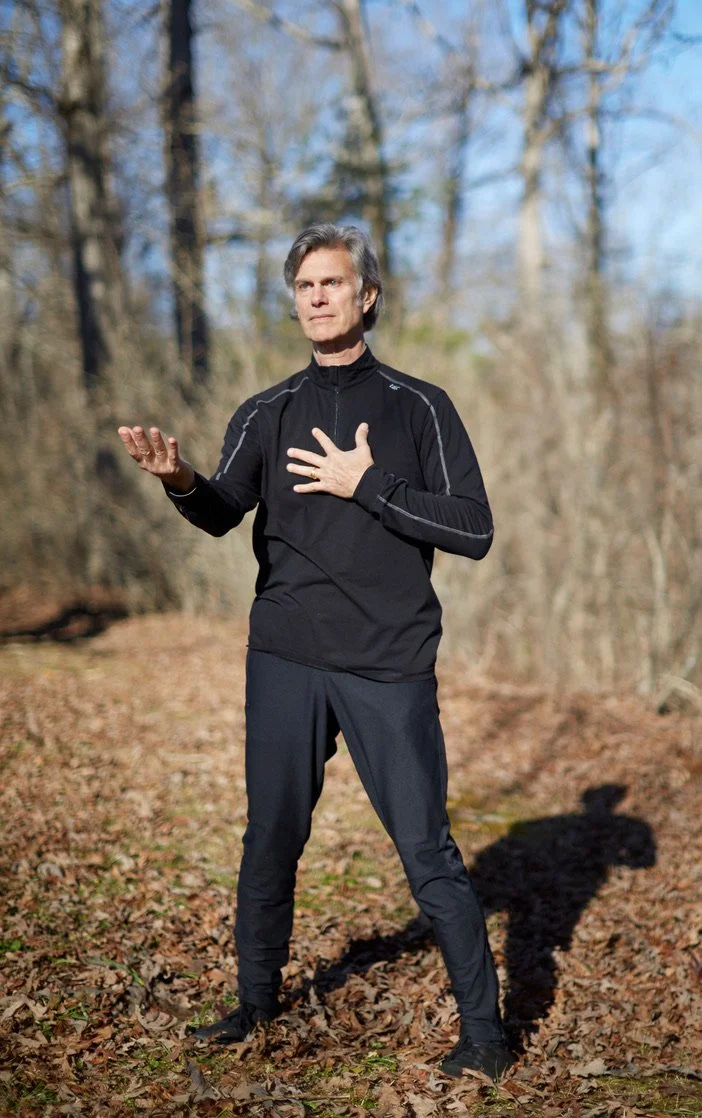
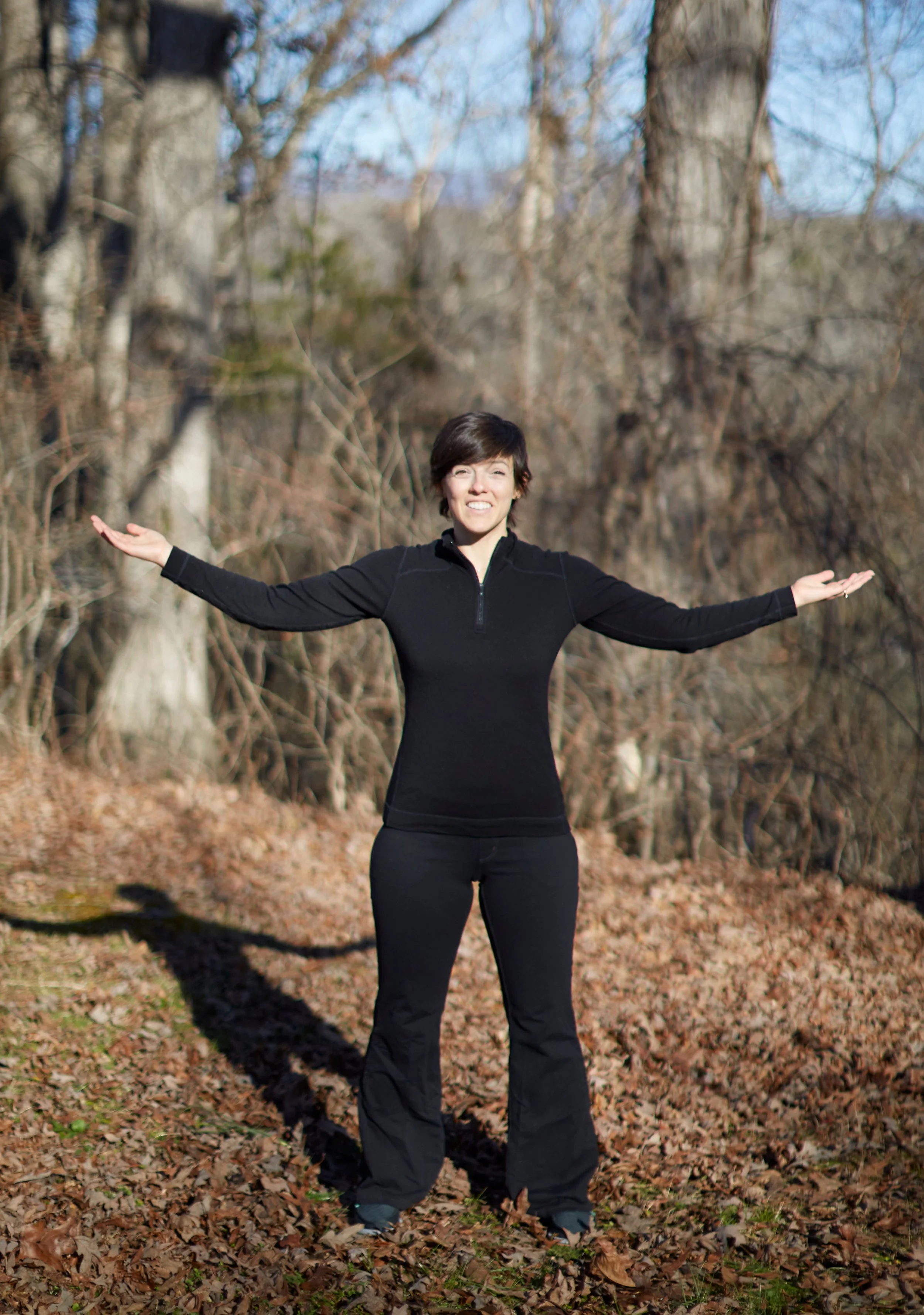
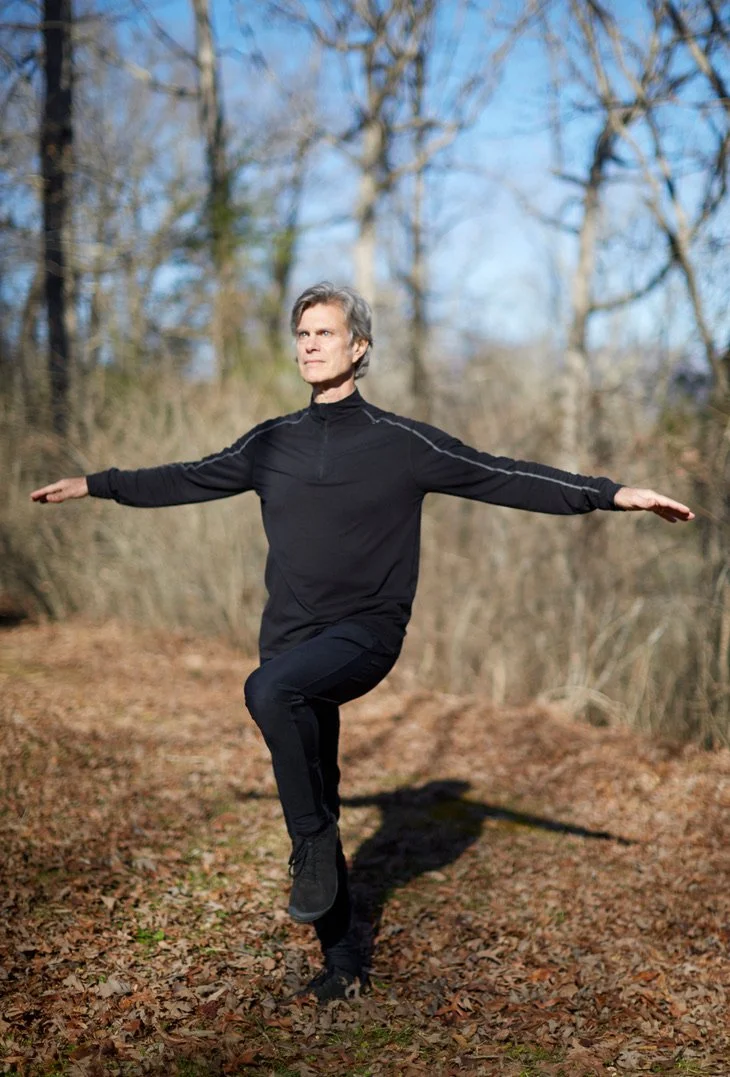
Mindful movement describes gentle moving patterns informed by Tai Chi and Qigong. Using posture, breath, and slow movements that can be easily integrated into sessions, this approach helps clients anchor their attention in the here and now—without requiring stillness or closed eyes.
Research shows that mindful movement can improve mood, reduce hyperarousal, and support well-being. It also creates a bridge for clients who may resist seated meditation but would benefit from embodied practices.
This training explores how mindful movement can offer both a complete mindfulness practice and a powerful complement to stillness-based approaches. You will learn how to guide movement in ways that are trauma-sensitive and client-centered, and how to adapt practices for clients with anxiety, depression, or mobility limitations. In addition, you’ll engage in experiential exercises so you can see firsthand how movement can foster groundedness and self-regulation. You’ll also learn how to make embodied stillness practices more accessible and therapeutic.
Ultimately, the course will give you a practical way to make mindfulness accessible to more clients. By integrating mindful movement into therapy, you can unlock a powerful new tool for helping clients build resilience, reconnect with their bodies, and find new ways to relate to thoughts and emotions.
What You’ll Learn
In this four-session live online course, you’ll learn how to safely and effectively integrate mindful movement into sessions, expand your mindfulness toolkit with body-based and adapted interventions, and cultivate your own embodied presence as a clinician. Gentle experiential practices will be included, so you’ll leave not only with knowledge but also with lived experience of how these tools work in practice.
You’ll be guided by Larry Cammarata, PhD, a clinical psychologist and longtime teacher of mindfulness, Tai Chi, and Qigong who blends clinical expertise with decades of embodied practice to create this impactful approach. Grounded in neuroscience and evidence-based research, the course emphasizes both conceptual clarity and hands-on experience.
By the end of the training, you’ll be able to:
Make mindfulness practice accessible to a broader range of clients
More flexibly promote regulation and presence when treating anxiety, depression, trauma, and more
Safely encourage embodied awareness for clients with trauma histories
Adapt mindful movement interventions for clients who have physical limitations
Strengthen your own resilience and embodied presence as a clinician
Join Dr. Cammarata for Mindfulness in Motion: Using Mindful Movement in Clinical Practice and discover how movement can become one of your most versatile clinical tools. Please click on the button below to learn more or register for the course