Slow is a Fast Route to Health and Wellbeing
It was a warm sunny day in the Blue Ridge Mountain town of Asheville, North Carolina. I was exiting a café when I encountered a man walking hurriedly on a downtown street. With cell phone to his ear and an eye on his watch, he appeared to be late to an appointment. His brow was furrowed, his body was tense, and if I had to make a quick assessment, I would say that he was stressed! Upon reflection, I can see how that man represents many people, including myself, who sometimes—or quite often—allow a sense of time urgency to pressure them into vacating their present circumstance by focusing upon future matters. Using a mundane example of washing dishes, Zen master Thich Nhat Hanh’s wise words beautifully illustrate the nature of this predicament:
If while washing dishes, we think only of the cup of tea that awaits us, thus hurrying to get the dishes out of the way as if they were a nuisance, then we are not "washing the dishes to wash the dishes." What's more, we are not alive during the time we are washing the dishes. In fact we are completely incapable of realizing the miracle of life while standing at the sink. If we can't wash the dishes, the chances are we won't be able to drink our tea either. While drinking the cup of tea, we will only be thinking of other things, barely aware of the cup in our hands. Thus we are sucked away into the future—and we are incapable of actually living one minute of life (Hanh, 1987, pp. 4-5).
Have you ever noticed how you feel when you’re rushing about your life, impatient, or simply feeling pressed for time? In that sort of situation, chances are that your heart rate is elevated, your breathing is shallow, and an abundance of the stress hormone cortisol is flowing through your bloodstream. From time to time, everyone experiences stress, and that’s not necessarily a problem. A certain amount of stress can sharpen the mind and activate the body to accomplish necessary tasks. However, when stress is chronic or uncontrollable, we become vulnerable to physical illnesses and emotional problems.
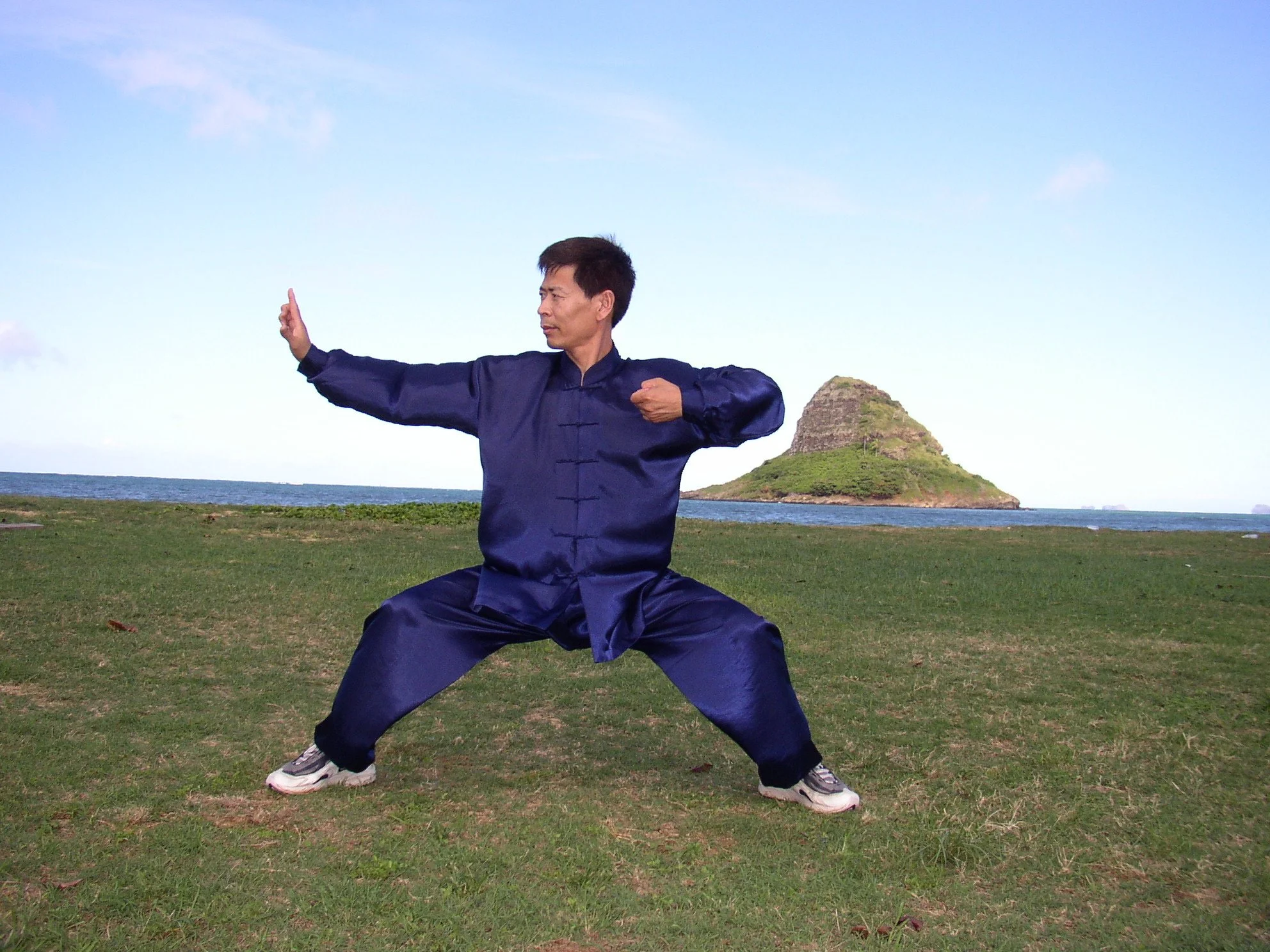
The good news is that there are easily learnable mind-body practices that can reverse this pattern. Beyond their health benefits, these practices can be deeply enjoyable and meaningful. Research shows that slow mindful movement practices such as Tai Chi, Yoga, and Qigong can have numerous physical and emotional benefits that support mood, sleep, immune system functioning, and cardiovascular health, while also reducing stress and pain.
The article at the link below by Psychology Professor Alan Fogel, Ph.D. (2010) describes the benefits of slow movement with awareness. I encourage you to read it slowly, with a relaxed body, and while taking long, slow, deep breaths. Enjoy!
References
Fogel, A. Slow movement with awareness: Better than exercise? Retrieved March 30, 2016, from https://www.psychologytoday.com/blog/body-sense/201007/slow-movement-awareness-better-exercise
Hanh, T. N. (1987). The miracle of mindfulness: A manual on meditation (revised edition). Boston: Beacon Press.
Photo courtesy of Tai Chi Master Jesse Tsao, Ph.D. of Tai Chi Healthways
© 2016 Larry Cammarata, Ph.D., Licensed Psychologist and Mindfulness Educator
Mindfulness Travels provides continuing education retreats in beautiful, inspiring places throughout the world with leaders in the fields of mindfulness-based psychology, process-based therapy, and mindful movement.