What Are You Watering in Your Garden Today?
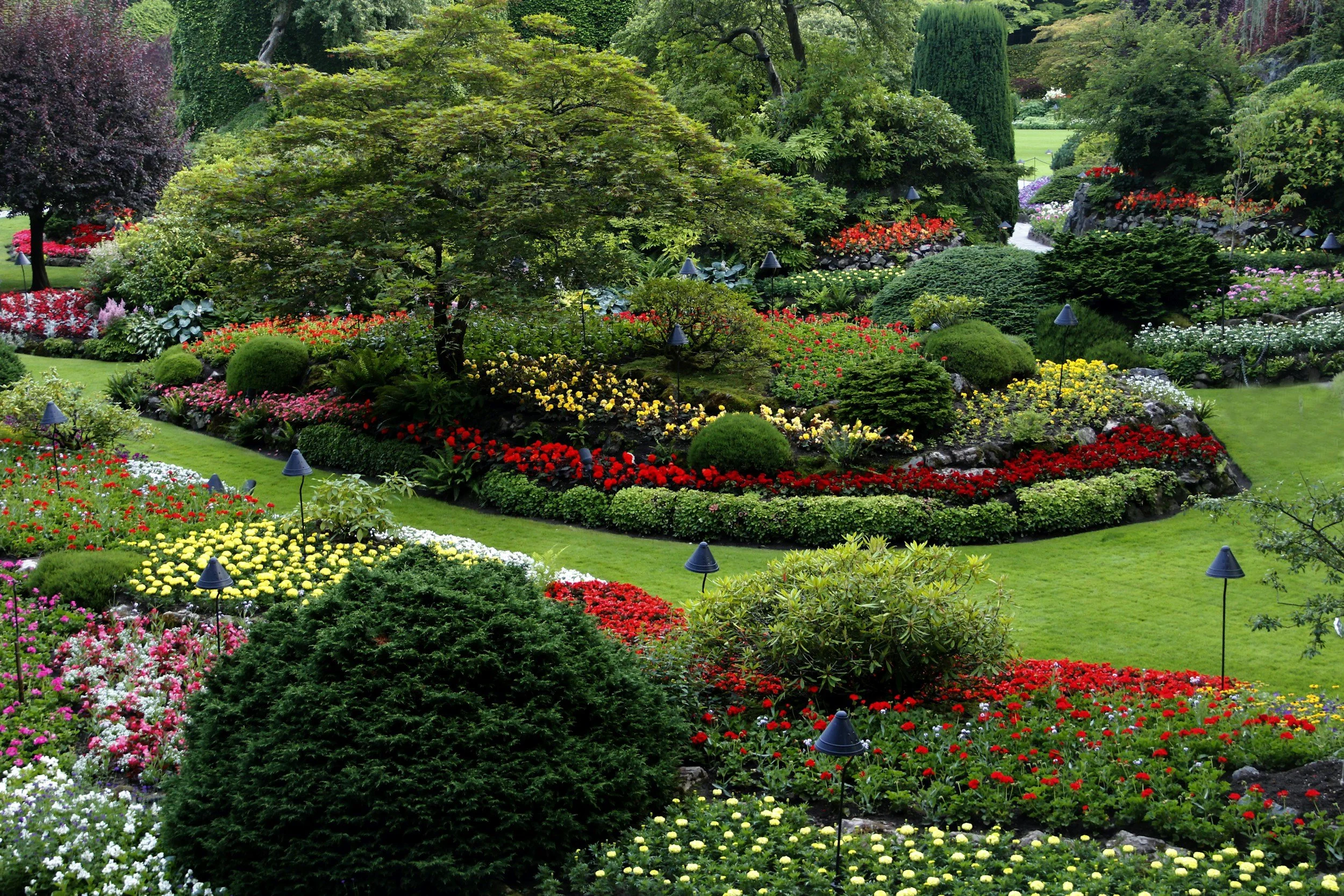
One of Zen master Thich Nhất Hạnh's most enduring teachings uses the image of a garden. He described the mind as a plot of land seeded with both wholesome and unwholesome qualities — joy, peace, and love growing alongside fear, anger, and forgetfulness. All of these seeds are always present, dormant in the soil. What determines which ones flourish, he suggested, is simply what we water (Nhất Hạnh, 2006).
The flowers are qualities like compassion, patience, joy, and love. Some common weeds are anger, fear, pessimism, resentment, and despair. And the point — the part that's easy to miss — is that a good gardener doesn't hate the weeds or try to rip them out in a panic. The gardener simply recognizes them, stops feeding them, and keeps tending to what matters.
Suffering itself can become compost. Even the difficult emotions have something to offer, if we meet them with awareness and compassion rather than judgment.
So when anger or fear shows up, the practice isn't suppression. It's a quiet acknowledgment — "Anger is here” or “I see you, fear" — and then a return to what nourishes: the breath, rest, community, and kindness.
Whatever we repeatedly attend to grows stronger in us. That's true of our media habits, our conversations, and our thoughts. We are always watering something — sometimes consciously and intentionally, and at other times unconsciously and out of habit.
The weeds, left unfed, lose their hold. The flowers, tended with care, eventually take over the garden.
And what are you watering in your garden today?
Reference
Nhất Hạnh, T. (2006). Understanding our mind. Parallax Press.
© 2026 Larry Cammarata, Ph.D., Licensed Psychologist and Mindfulness Educator
Mindfulness Travels provides continuing education retreats in beautiful, inspiring places throughout the world with leaders in the fields of mindfulness-based psychology, process-based therapy, and mindful movement.